IBD: Crohn's disease and colitis
Food does not cure IBD and never replaces prescribed treatment. It does, however, genuinely affect digestive comfort, nutritional status and quality of life — provided it is adapted to the phase of the disease.
Gabriela Ferent — Qualified dietitian · Affiliated with the CNS
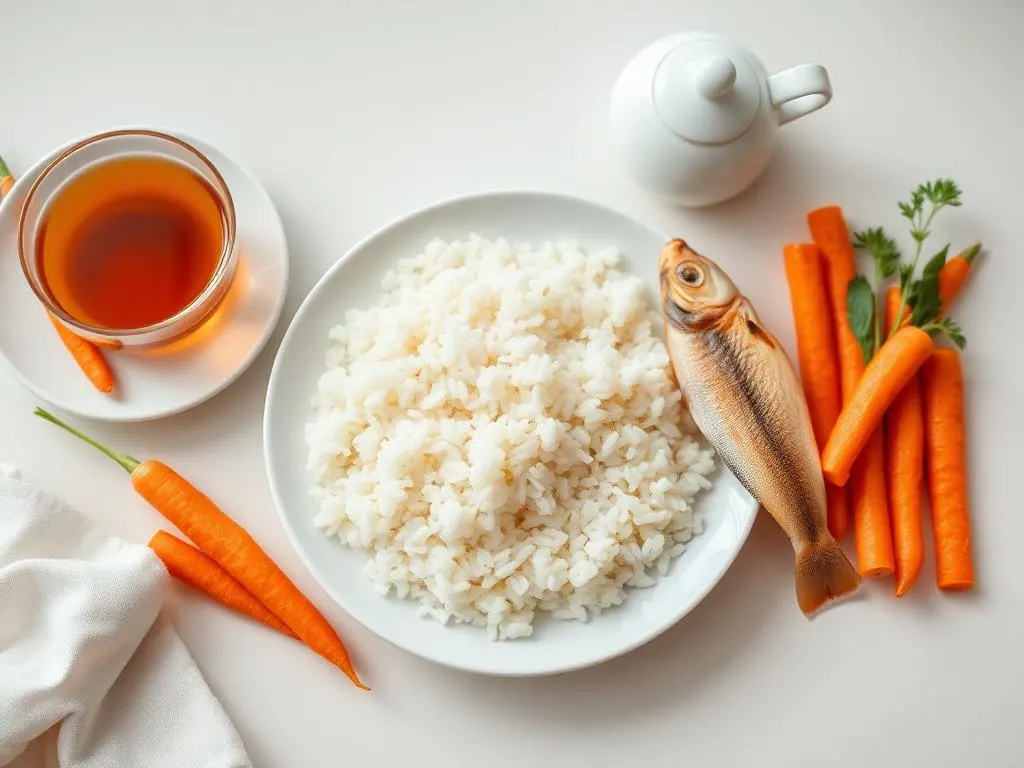
Better-tolerated food, without needless prolonged restriction
Gradual reintroduction and diversification
Two phases, two strategies
During a flare, the aim is to limit discomfort and protect intake: adapted textures, smaller more frequent meals, particular attention to protein and hydration. In remission the aim reverses: reopen the diet, reintroduce fibre gradually and avoid restrictions kept out of habit or fear.
Undernutrition and deficiencies are common in IBD. Screening and treating them is your doctor's role; dietetic follow-up helps prevent them day to day.
- Adapting fibre to the phase and to individual tolerance
- Maintaining sufficient energy and protein intake
- A focused food diary to separate real triggers from fear-driven avoidance
- Coordination with the gastroenterologist for tests and treatment
What the first consultation evaluates
The first appointment reviews the current phase (flare or remission), digestive symptoms, foods already avoided and why, weight and its trend, plus the tests and treatments shared by your gastroenterologist.
- History of flares and actual food tolerance
- Energy and protein intake over a typical week
- Impact on meals at work, with family and while travelling
Medical coordination and limits
Dietetic follow-up complements the treatment prescribed by your gastroenterologist — it never replaces it. Worsening pain, rectal bleeding, fever or rapid weight loss warrants medical advice without waiting for the next dietetic appointment.
- Report sent to your doctor on request
- No supplementation prescribed or sold at the practice
This diagram shows the FODMAP protocol, a tool reserved for irritable bowel syndrome and some functional digestive complaints, always under dietetic supervision. It does not apply to food allergies or coeliac disease, and it does not replace medical advice.
What belongs to your physician
Diagnosis, tests and medical treatment remain your doctor's responsibility. Dietetic support adapts to them and, with your agreement, a report is sent to your doctor.
During a flare
- Soft or blended textures, gentle cooking (steaming, slow-cooking)
- Smaller, more frequent meals
- Temporary reduction of irritating fibre and raw vegetables
- Priority attention to protein and hydration
In remission
- Gradual reintroduction of fibre, one food at a time
- Dietary diversification to restore a varied microbiota
- Lifting avoidances kept out of fear rather than real intolerance
- Returning to as open a diet as possible
Warning signs to monitor
- Rapid or unintentional weight loss
- Severe abdominal pain, fever, blood in stools
- Persistent diarrhoea or dehydration
- These signs call for prompt medical advice, not dietary adjustment alone
Frequently asked questions about IBD (Crohn’s, ulcerative colitis)
No. No diet on its own achieves or maintains remission. Dietary adaptations target comfort, nutritional status and tolerance, alongside medical treatment.
No. A temporary reduction can help during a flare, but prolonged avoidance impoverishes the microbiota and the diet. Reintroduction is gradual once in remission.
Ready to start your care pathway?
Book an appointment with Gabriela Ferent — three practices in Luxembourg, consultations with possible CNS coverage on prescription, or privately.
Book an appointment