Nutri-Score: how to use it when shopping
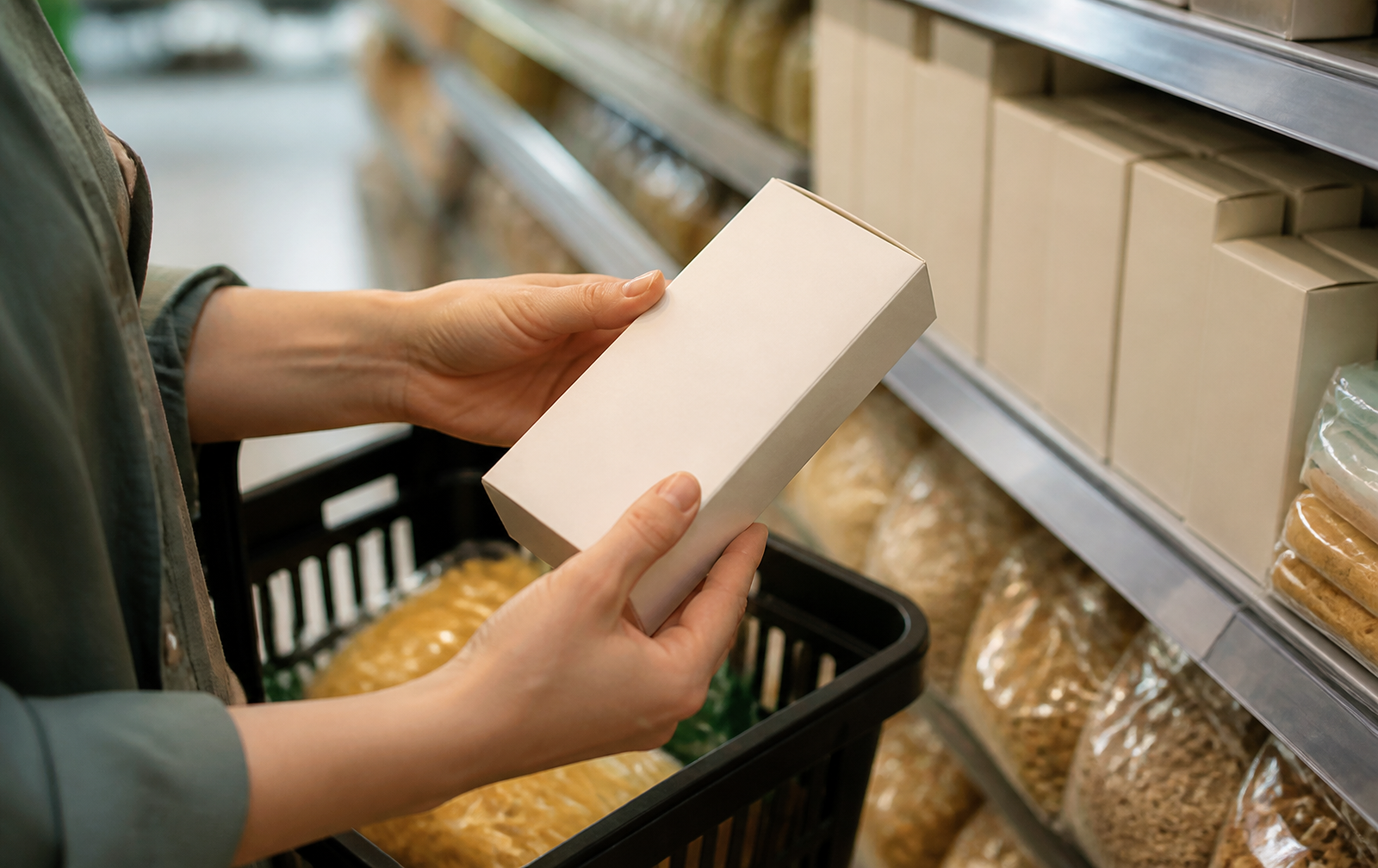
In front of the shelf, the Nutri-Score can help you compare products. But it does not answer every question. Here is how to use it together with the ingredient list, the nutrition table and your own needs.
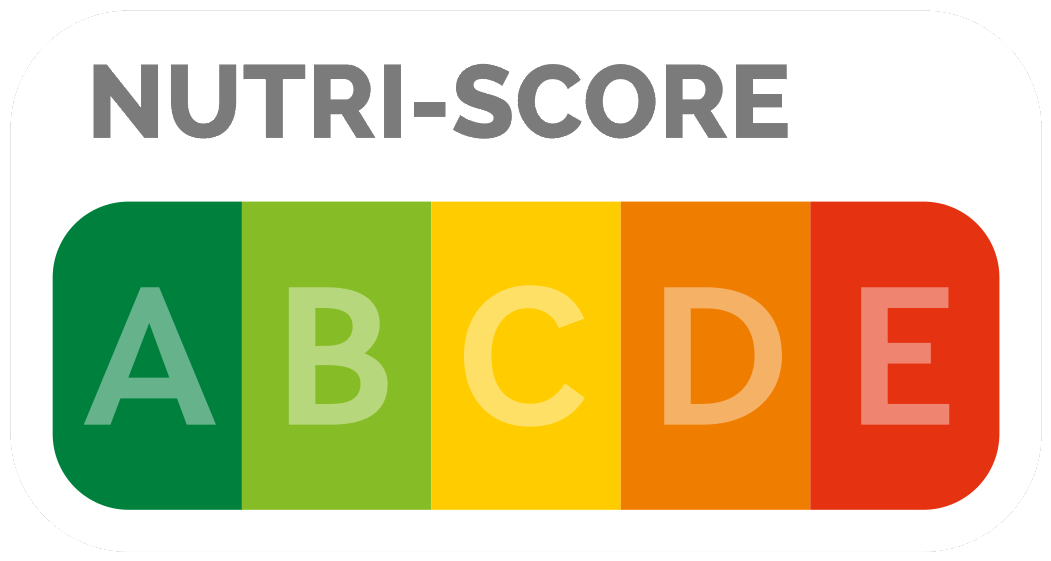
A letter to compare with, not to decide everything
- Nutritional quality of the product.
- A benchmark calculated per 100 g or 100 ml.
- To be completed by ingredients and portion.
The scale runs from A to E. Each letter has its own colour and position: the letter stays readable even without telling the colours apart.
The calculation balances components to favour (protein, fibre, vegetables, pulses, fruit, nuts, olive, rapeseed and walnut oils) against those to limit (energy, saturated fat, sugars, salt). A favourable letter does not mean "unlimited"; an unfavourable letter bans nothing.
The logo is voluntary: many products carry none at all.
At the shelf, four habits
- 1
Compare the alternatives
Pick two or three products that meet the same need.
- 2
Look at the Nutri-Score
It quickly places those products relative to each other.
- 3
Read ingredients and the table
They spell out the composition and what matters to you.
- 4
Check the portion
The score covers 100 g; your plate rarely does.
On the pack, four areas to read
- 1Nutri-Score on the frontA comparison cue, when the manufacturer has chosen to display it.
- 2Nutrition tableThe exact amounts per 100 g or 100 ml: energy, fat, sugars, fibre, protein, salt.
- 3Ingredients and allergensThe composition in decreasing order; allergens are highlighted, sometimes with a "may contain traces" statement.
- 4Weight and portionsThe total weight and the number of portions stated: this is what links the label to your plate.
Three concrete comparisons
Illustrative examples: no letter is given, because it depends on the exact product in your hand.
Cereals
What to look at beyond the letter?
- Sugars
- Fibre
- Ingredients
Yoghurts and dairy desserts
What is really in this pot?
- Ingredients
- Sugars
- Amount eaten
Ready meals
What does the whole tray represent?
- Values per 100 g
- Tray weight
- Portion eaten
100 g or the whole tray?
A fictional worked example, for teaching purposes:
The amount you actually eat changes with the portion. The product’s Nutri-Score is not recalculated for that portion: it stays established per 100 g or 100 ml.
What the letter does not tell you
- AllergensThe letter does not flag them: refer to the ingredient list and the allergen statements.
- Individual needsThe score is not personalised: it knows nothing about your health, your treatments or your goals.
- Processing and additivesThe letter describes neither the degree of processing, nor additives, nor pesticide residues.
- QuantityA favourable letter does not mean unlimited portions; an unfavourable letter bans no food.
What if you have specific needs?
Diabetes, high blood pressure, cholesterol, kidney disease, digestive disorders: the guidance that counts is the one set with your doctor and your dietitian. The Nutri-Score does not replace it.
With an allergy or intolerance, the ingredient list and the allergen statements always take precedence over the front-of-pack letter.
Frequently asked questions
Why do some products show no Nutri-Score at all?
Because its use is voluntary: a company may choose to display it or not, in Luxembourg as elsewhere.
Why do two similar products show surprising letters?
The calculation rules were revised and apply with a transition period. Products placed on the market at different times may therefore have been rated under different rules.
What changed in the calculation?
Very sweet or very salty products are rated more strictly; poultry is rated better than red meat; wholegrain starches are rated better than refined ones; sweeteners are taken into account for drinks. Olive, rapeseed and walnut oils remain treated favourably (rapeseed and walnut are rich in omega-3; olive oil is mainly rich in monounsaturated fat).
Can you compare two different categories?
The comparison is most meaningful between products meeting the same need — two boxes of cereal, two ready meals. Comparing very different products remains possible, but it mostly tells you about their composition, not about what suits your meal.
Support to organise your meals day to day
Meal planning: consultation with Gabriela Ferent, dietitian in Luxembourg.
Discover this supportRelated article
Planning balanced meals
A simple method to organise your week and your shopping.
Planning balanced mealsSources
- Santé publique France — Nutri-ScorePrinciple of the logo, A to E scale, graphic charter and evolution of the calculation rules.
- Food safety authority — Nutri-Score (Luxembourg)Luxembourg framework, voluntary use, limits (allergens, additives, portions) and transition period.
Official sources consulted on 7 September 2026.