Eating better every day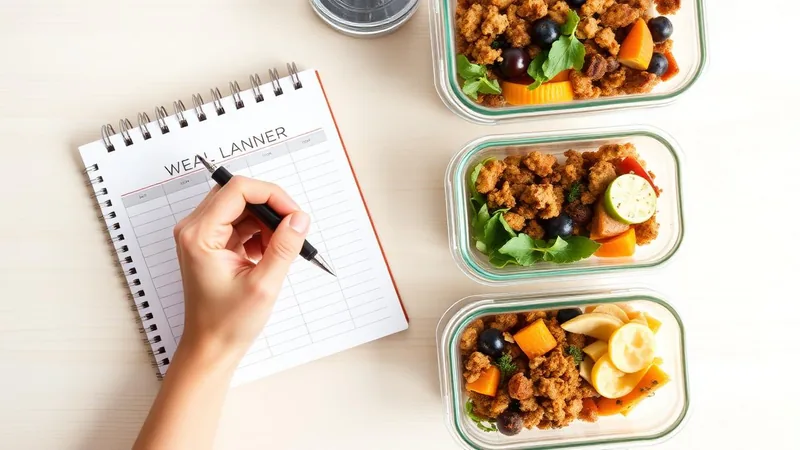
Planning Balanced Meals
A simple method for putting together balanced meals, organizing your week and gaining independence without spending hours on it.
Gabriela Ferent, Registered Dietitian Nutritionist
3 min read
July 17, 2026
Why plan ahead?
Planning your meals reduces daily stress, limits food waste, helps you eat better and makes it easier to reach health goals without imposing a strict diet.
The plate structure
A simple, repeatable benchmark:
- ½ plate of vegetables, cooked or raw, varied and seasonal.
- ¼ plate of protein: fish, eggs, meat, legumes or tofu.
- ¼ plate of whole starches: brown rice, wholemeal pasta, quinoa, potatoes, wholegrain bread.
- A little quality fat (olive or rapeseed oil).
- A fruit or a dairy product depending on hunger.
Organizing your week in 4 steps
- Choose a fixed time (for example Saturday or Sunday) to plan.
- Plan 4 to 5 dinner options, while keeping flexibility for the unexpected.
- Make a shopping list all at once, category by category.
- Prep ahead the basics (cooked grains, washed vegetables, cooked proteins) to save time during the week.
Quick and balanced meal ideas
- Quinoa bowl with roasted chickpeas, seasonal vegetables and feta.
- Baked fish, steamed potatoes and green beans.
- Vegetable omelet, green salad and wholegrain bread.
- Tofu or chicken stir-fry, crunchy vegetables and brown rice.
- Legume soup, wholegrain bread and cheese.
Avoiding common pitfalls
- Don't aim for perfection: a few planned meals are better than an overly rigid plan.
- Keep healthy backups on hand (plain frozen vegetables, canned legumes, eggs).
- Adjust portions to your actual hunger, not a standard.
Tailored support
Everyone's pace of life is different. A consultation helps build a meal plan that truly fits your daily routine.
Book an appointment