Type 2 Diabetes: 10 Foods to Prioritize Every Day
Ten foods that earn their place in type 2 diabetes, with the nutritional reasoning behind each one and how to fit them into the meals you already eat.
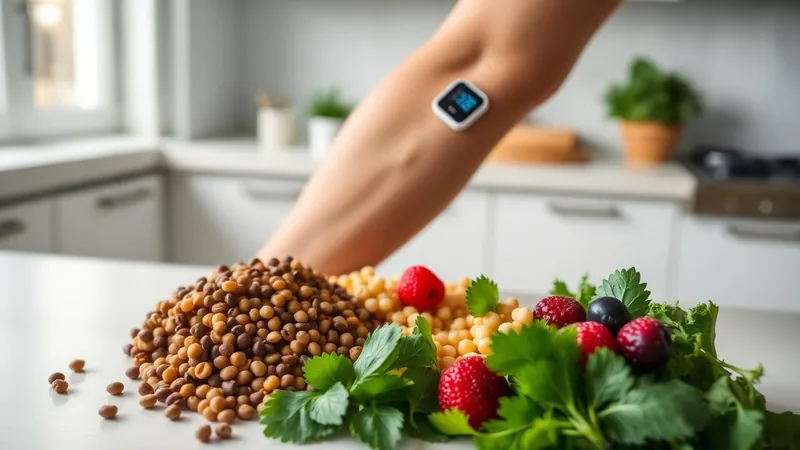
The 10 recommended foods
No single food works on its own: what counts is the overall make-up of the meal and consistency over time. Here is why each of these has its place.
1.Leafy green vegetables
Very low in carbohydrate, high in fibre and volume: they fill the plate and slow the absorption of the carbohydrate in the rest of the meal.
2.Fatty fish
A source of protein and long-chain omega-3 fatty acids. Two portions of fish a week, one of them oily, is the usual recommendation where cardiovascular risk matters.
3.Legumes
Lentils, chickpeas, beans: slowly absorbed carbohydrate, rich in soluble fibre and plant protein. Two to three times a week, partly replacing a refined starch.
4.Oats
A whole grain rich in beta-glucan, a soluble fibre that thickens digestive contents and moderates the rise in blood sugar after breakfast.
5.Nuts and seeds
About a small unsalted handful (30 g) a day: unsaturated fat, fibre and magnesium, with no added sugar. Useful for making a snack filling.
6.Avocado
High in unsaturated fat and fibre, low in available carbohydrate: it adds satiety to a meal without a meaningful glycaemic load.
7.Berries
Blueberries, raspberries, blackberries: among the least sugary fruits per portion, rich in fibre and polyphenols. Whole fruit stays preferable to juice, which is absorbed far faster.
8.Plain Greek yogurt
High in protein and free of the added sugar found in flavoured yogurts. With fresh fruit it makes a steady breakfast or snack.
9.Extra-virgin olive oil
The core fat of the Mediterranean pattern, rich in monounsaturated fatty acids. Use it instead of butter or cream, not on top of them.
10.Eggs
Good-quality protein with no carbohydrate: an egg at breakfast blunts the glucose peak of a bread- or cereal-heavy meal.
How to put them into practice
- Build the plate before counting anything: roughly half vegetables, a quarter protein, a quarter starch, preferably wholegrain.
- Always pair fibre and protein with carbohydrate: the same bread does not behave the same alone as with an egg and vegetables.
- Spread carbohydrate across the day instead of concentrating it in one meal.
- Keep your cultural habits and family dishes: targeted swaps last far longer than a complete overhaul.
What these foods can — and cannot — do
These choices are part of managing type 2 diabetes, alongside physical activity, sleep and any prescribed treatment. They do not act identically from one person to another, they do not replace medication, and they do not remove the need for the monitoring your doctor decides on. No food 'controls blood sugar' by itself; adjustments are made in light of your results and your treatment.