Fatty liver (hepatic steatosis, NASH): nutritional care
Fatty liver, also called hepatic steatosis, requires medical assessment. Food and physical activity are part of care, depending on the cause and your clinical circumstances. Support focuses on gradual, realistic changes alongside your doctor’s advice, without guaranteeing that liver disease will resolve.
Gabriela Ferent — Qualified dietitian · Affiliated with the CNS

7–10% weight loss where indicated
Free sugars and sugary drinks
What actually works
Cutting sugary drinks and ultra-processed products, following a Mediterranean-style pattern and exercising regularly improve transaminases and liver fat, even without major weight loss.
- Gradually removing sugary drinks
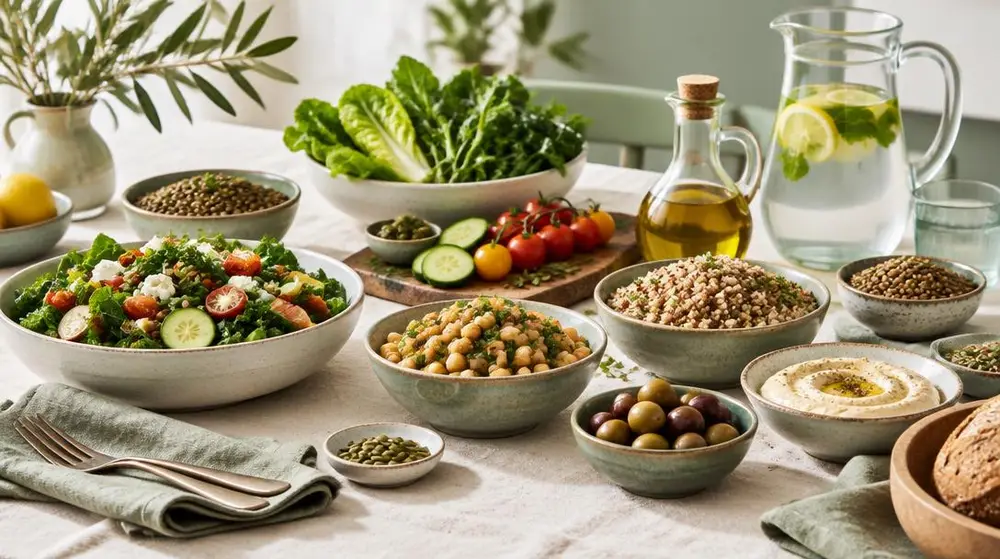
- Mediterranean pattern: olive oil, fish, pulses, vegetables
- Combined endurance and resistance activity
- No "detox" cures and no liver supplements sold at the practice
Choices that support the liver
Protective / supportive foods
- Olive oil, fish, pulses, vegetables
- Combined endurance and resistance activity
- Gradual reduction of sugary drinks
To adjust to your individual tolerance
- Sugary drinks and alcohol, to discuss with your doctor
- Ultra-processed products, to limit gradually
- Detox cures or liver supplements not recommended
Tolerance thresholds and adjustments remain strictly individual and are defined during the assessment at the practice.
What the first consultation evaluates
The assessment reviews the results shared by your doctor (liver panel, blood glucose, lipid profile, imaging or elastography), waist circumference, sugary-drink and alcohol intake, and physical-activity level.
- Liquid sugars, snacking and evening meals
- Carbohydrate spread and fat quality
- Physical activity that fits your week
Realistic goals and medical follow-up
Encouraging data exist, but your doctor follows each situation individually.
- Gradual reduction in weight and sedentary behaviour linked to improved liver markers
- Seen in many patients, with no guarantee of individual results
- Disease stage, monitoring and treatment decided by the hepatologist or GP
Sometimes an unexpected finding
Fatty liver is often found by chance, and symptoms alone do not reveal the cause or stage.
- Often found during a blood test or ultrasound done for another reason
- Possible tiredness or abdominal discomfort, without revealing cause or stage
- Some people feel well yet worry about every food after diagnosis
- The doctor assesses contributing factors and decides on follow-up
- Yellowing, confusion or significant pain require prompt medical advice, not a cleansing diet
Fatty liver: understanding fat accumulation
The liver constantly manages fats; this balance can shift, including with insulin resistance.
- In some, inflammation and scarring occur too; assessing these is medical
- The condition cannot be reduced to weight or a lack of willpower
- Nutrition is considered as a whole: drinks, alcohol, meal patterns, suitable activity
- A gradual approach toward lasting habits, without imposed fasting or promised results
Building guidance that fits everyday life
During a consultation with Gabriela in Luxembourg-Ville, Ettelbruck or Insenborn, the starting point is what you actually eat, not an ideal menu.
- You can bring your test results, medical instructions and examples of usual meals
- We look at meal times, shopping, budget, food at work and difficulties at home
- Changes chosen together, keeping favourite foods and family habits wherever possible
- At follow-up, we discuss what was manageable, appetite and difficulties, without judging a single meal
- Dietary goals adapted to you; diagnosis, tests and medication remain the doctor's responsibility
What belongs to your physician
Diagnosis, tests and medical treatment remain your doctor's responsibility. Dietetic support adapts to them and, with your agreement, a report is sent to your doctor.
Liver regeneration pathway
- 1
Liver and metabolic workup
- 2
Sugar reduction
- 3
Imaging follow-up
Articles to go further
Frequently asked questions about hepatic steatosis
No. No detox cure has shown any effect on steatosis. The validated levers remain daily nutrition and physical activity.
No. Whole fruit has its place. The focus is mainly on sugary drinks, juices and alcohol, taking your overall meals and test results into account.
Not routinely. Whole fruit is not equivalent to sugary drinks or juice: it also provides fibre. We discuss portions and habits within your overall meals, considering any diabetes and medical instructions rather than imposing a blanket fruit ban.
Ready to start your care pathway?
Book an appointment with Gabriela Ferent — three practices in Luxembourg, consultations with possible CNS coverage on prescription, or privately.
Book an appointment