Breastfeeding and postpartum: caring for you too
After birth, tiredness, hunger and limited time can make meals difficult, whether or not you breastfeed. Gabriela Ferent offers simple guidance for recovery and, when breastfeeding, meeting your needs without restrictive dieting.
Gabriela Ferent — Qualified dietitian · Affiliated with the CNS

Maternal needs and manageable meals
Maternal exclusion only when indicated
Breastfeeding and diet: energy, hydration and simple meals
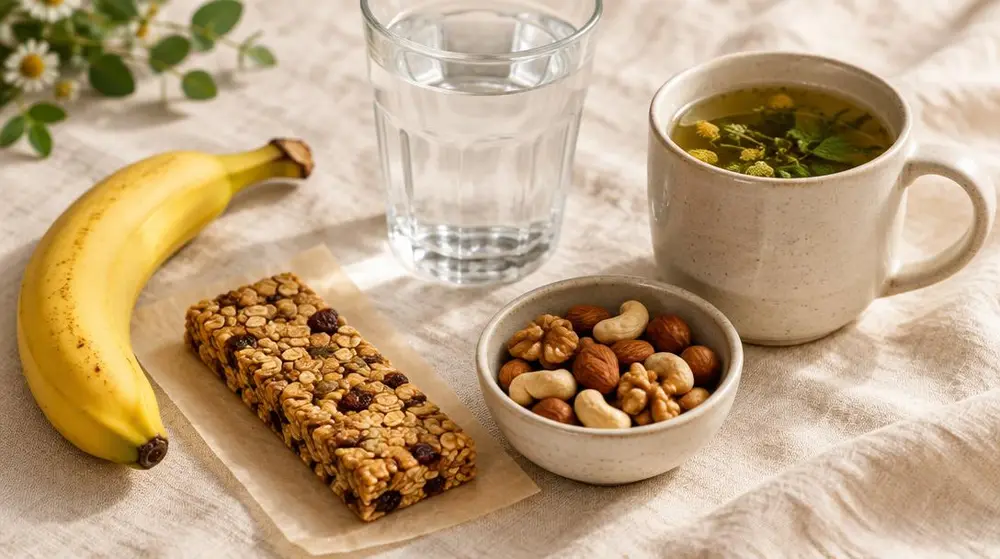
Energy needs during breastfeeding vary with your situation. Regular meals and nourishing snacks can help. Keep water accessible and drink to thirst unless medically advised otherwise; excessive drinking alone does not increase milk supply.
Iodine, vitamin D and omega-3s
Food choices help meet needs, with medical guidance on supplements.
- Fish, eggs and dairy help meet nutritional needs.
- Doctor or midwife review iodine or vitamin D supplementation.
- Omega-3 intake is also considered.
- The practice sells no products.
- Baby’s needs are assessed separately by the paediatrician.
Nutrition pointers during breastfeeding
Hydration
Drink to thirst unless advised otherwise; water alone does not increase milk supply.
Iodine and vitamin D
Your doctor or midwife reviews iodine or vitamin D supplementation.
Fatigue and anaemia
Marked fatigue deserves medical review, which may check for anaemia.
Gradual weight loss
Weight loss after pregnancy usually happens gradually, with no rapid target.
Infant cow’s milk protein allergy
Do not remove dairy from your own diet for crying or colic alone without advice. Maternal exclusion during breastfeeding is used only when indicated by the paediatrician, with nutritional replacements and review according to their plan.
Fatigue and gradual weight recovery
Recovery takes time; there is no imposed weight-loss timetable. Easy meals, practical help and adequate intake come first. Marked or persistent fatigue merits medical review, including consideration of anaemia or mental health difficulties.
What you may notice
Many mothers feel intense hunger and deep tiredness after birth.
- Hunger, tiredness and skipped or standing meals are common.
- Marked thirst and wanting to lose weight quickly also occur.
- Lasting fatigue, breathlessness or very low mood should be reported to the doctor.
- Anaemia or postnatal depression can be the cause.
What happens in the body
Breastfeeding raises several nutrient needs, without requiring restriction.
- Needs for energy, water, protein, iodine and omega-3 fats increase.
- The body also draws on reserves, especially iron after heavy blood loss.
- Strong restriction can worsen fatigue and is not necessary.
- Weight loss after pregnancy usually happens gradually over months.
How support works
In Luxembourg City, Ettelbruck or Insenborn, care centres on simple meals.
- Meals and snacks easy to eat one-handed are prepared.
- Freezer stocks help daily organisation.
- Routines are shared with those around you.
- Breastfeeding difficulties belong with a midwife or lactation consultant.
- Dietetic support adds to that care, without replacing it.
How support works
The review takes your daily life into account.
- Broken sleep, return to work and siblings are considered.
- Available help is also taken into account.
- Ready-to-eat foods, water and frozen portions reduce skipped meals.
- Weight loss is discussed once intake and recovery are sufficient.
- No rapid target is set.
What belongs to your physician
Diagnosis, tests and medical treatment remain your doctor's responsibility. Dietetic support adapts to them and, with your agreement, a report is sent to your doctor.
Frequently asked questions
No. Needs are individualised; hunger, breastfeeding, recovery and daily routine guide adjustments.
Not without paediatric assessment. Maternal exclusion for suspected allergy must be indicated and supervised by the paediatrician.
Yes. Postpartum support adapts to your recovery, fatigue and family routine.
No food guarantees an adequate milk supply, and there is no need to routinely remove cabbage, spices, coffee or dairy. A varied diet and drinking according to thirst are the foundation. If you notice a repeated reaction in your baby, record it and speak to the doctor or midwife before excluding a food group. Latch difficulties, insufficient weight gain or pain during feeds needs specialist breastfeeding advice. Supplements and teas marketed to increase milk are not an automatic solution.
Ready to start your care pathway?
Book an appointment with Gabriela Ferent — three practices in Luxembourg, consultations with possible CNS coverage on prescription, or privately.
Book an appointment