Balanced vegetarian and vegan nutrition
A well-constructed vegetarian or vegan diet is suitable at every life stage. Poorly constructed, it exposes you to avoidable deficiencies. The difference comes down to a few precise checkpoints.
Gabriela Ferent — Qualified dietitian · Affiliated with the CNS
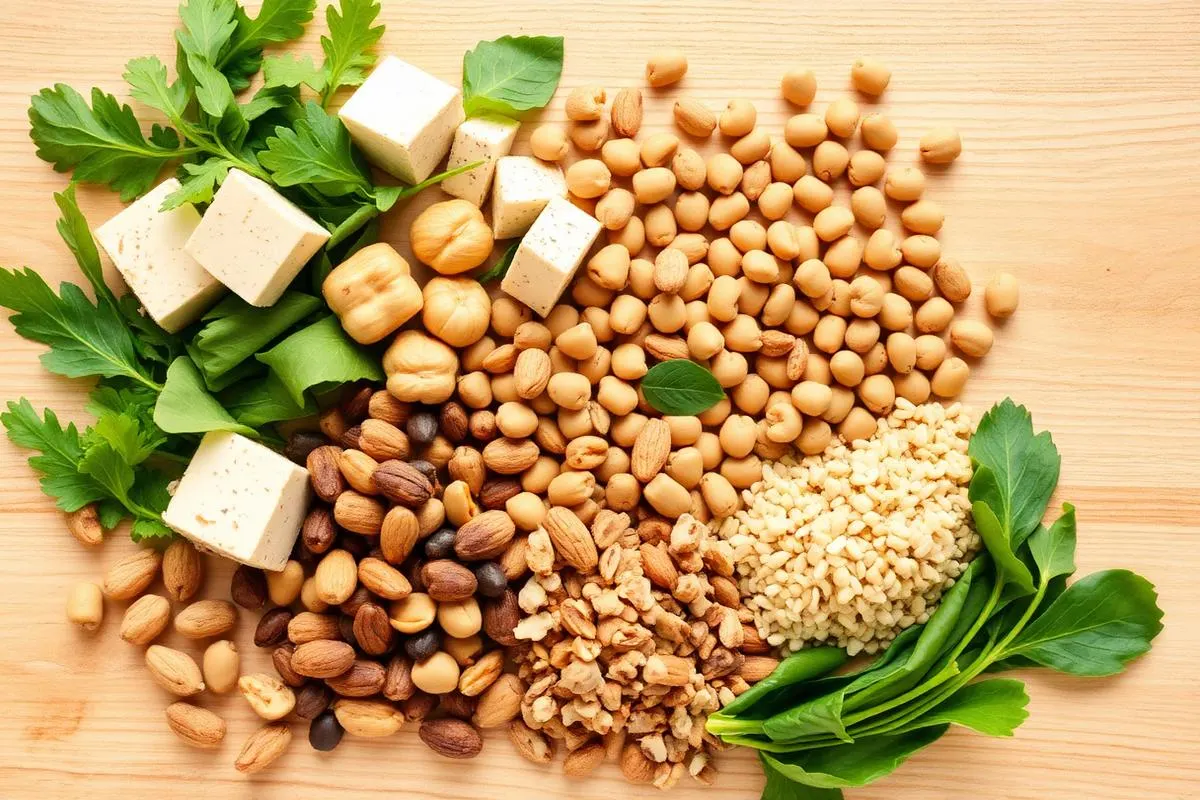
B12, iron, calcium, omega-3, iodine
Pulses + grains across the day
Pillars of balanced veganism
Vary sources (legumes, grains, soy).
Pair with Vitamin C to double absorption.
Favour calcium-rich water and crucifers.
B12 supplementation is essential and non-negotiable.
Building complete meals
Pulse/grain complementarity does not need to happen at every meal: balance across the day is enough. Vitamin B12, however, cannot be improvised on a vegan diet and is subject to a medical decision.
- Protein spread across the three meals
- Calcium sources without dairy
- Omega-3: walnuts, rapeseed, flax, algae
- A gradual transition, adapted to family meals
What the first consultation evaluates
The assessment clarifies the type of diet chosen, how long you have followed it, the real variety of protein sources and any tests ordered by your doctor. It identifies watch points without questioning your dietary choice.
- Vitamin B12, iron, zinc, iodine, calcium and omega-3
- Quality and spread of plant proteins
- Higher-need situations: pregnancy, childhood, sport
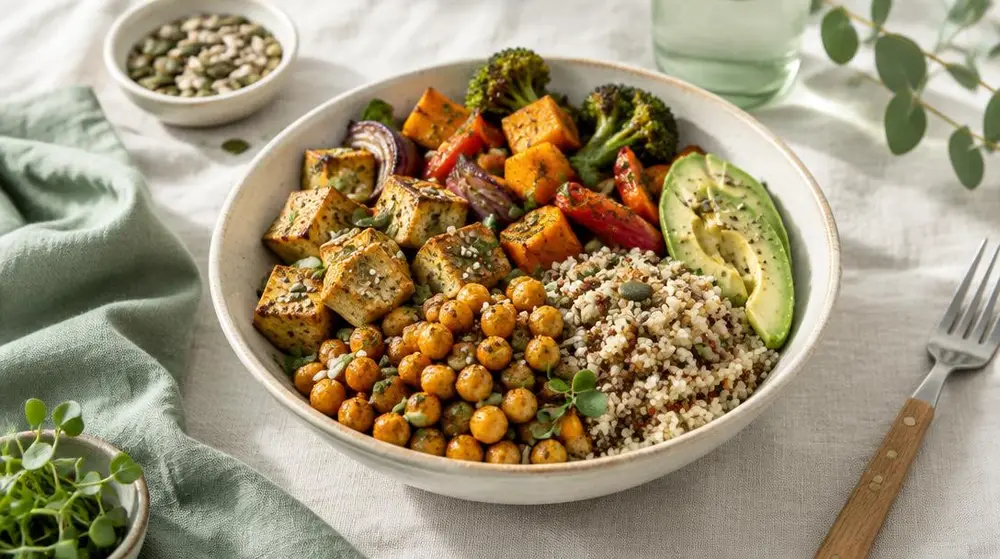
Medical coordination and supplementation
Vitamin B12 requires medical monitoring in vegan diets; its prescription and dosing are your doctor’s decision. The practice sells no supplements and focuses on building complete, sustainable meals.
What you may notice
Consultation reasons vary, from starting plant-based eating well to signs to discuss with your doctor.
- Starting a vegetarian or vegan diet well
- Hunger soon after meals or lack of ideas
- Low ferritin or vitamin B12 results
- Persistent fatigue should always be explored with your doctor
What happens in the body
The body handles plant iron and B12 differently, needing small adjustments and medical advice.
- Plant iron is absorbed less well than iron from meat
- Vitamin C in the same meal improves absorption
- Vitamin B12 is reliably found only in animal products
- Vegan diet needs fortified source or supplement, per professional advice
- Iodine, calcium, vitamin D and omega-3 also deserve attention
Key points to watch
Vitamin B12
Vitamin B12 cannot be improvised on a vegan diet and is subject to a medical decision.
Iron
Plant iron is absorbed less well, but vitamin C in the same meal improves absorption.
Calcium
Calcium sources without dairy are identified based on your eating habits.
Omega-3
Omega-3 comes from walnuts, rapeseed, flax and algae.
How support works
Gabriela, in Luxembourg City, Ettelbruck or Insenborn, reviews your meals and available test results, then suggests simple combinations and ideas suited to your budget. The practice sells no supplements.
How support works
The transition can happen step by step, keeping meals sufficient and balanced.
- Replacing a few meals gradually
- Learning to prepare legumes
- Identifying fortified products available near you
- Checking total quantity stays sufficient, since fibre fills you up quickly
- Children, athletes, pregnant women and people with deficiency history need attentive doctor follow-up
What belongs to your physician
Diagnosis, tests and medical treatment remain your doctor's responsibility. Dietetic support adapts to them and, with your agreement, a report is sent to your doctor.
Articles to go further
Frequently asked questions about vegetarian and vegan eating
On a vegan diet the question always arises; prescription and dosage are your doctor’s decision.
By varying legumes, tofu, tempeh, whole grains, nuts and, if you choose, eggs and dairy, spread across the day.
Yes, if well planned and monitored, in liaison with the paediatrician. A vegan diet for a child needs particular care for B12, iron, calcium and energy.
Combine a protein source such as lentils, beans, tofu or tempeh with a grain or potato, vegetables and a fat source. Wholegrain bread, fruit and nuts can be added according to hunger. A plate made mainly of raw salad is likely to be too low in energy and protein. Vary sources over the week and consider age, activity and any pregnancy. Blood tests and the need for supplements remain matters to discuss with a health professional.
Ready to start your care pathway?
Book an appointment with Gabriela Ferent — three practices in Luxembourg, consultations with possible CNS coverage on prescription, or privately.
Book an appointment