Child nutrition & family meals
How to build balanced meals that children enjoy, support their growth, and bring the whole family together around the table.
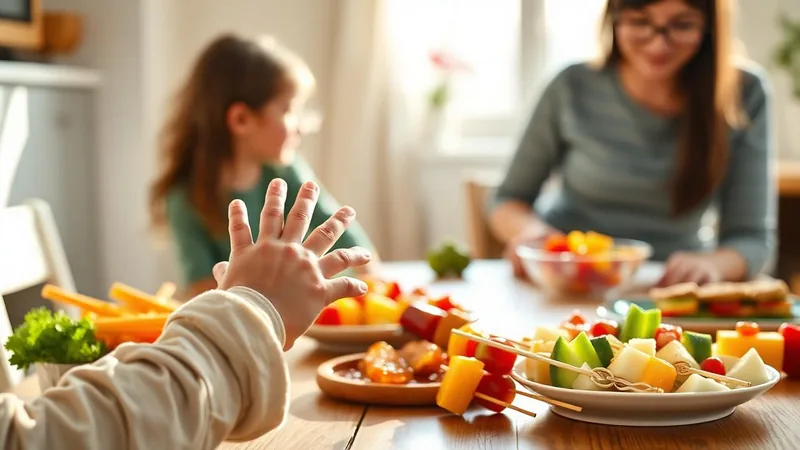
An eating pattern that grows with the child
Nutritional needs evolve from early childhood through adolescence. The goal stays the same: offer a varied, age-appropriate diet and build a calm, positive relationship with food.
Guidelines for a balanced meal
- A source of starchy food (wholegrain bread, pasta, rice, potatoes, legumes).
- Cooked or raw vegetables at every main meal.
- A source of protein: meat, fish, eggs, legumes or tofu.
- A dairy product or a calcium-fortified alternative.
- Fresh fruit for dessert or as a snack.
- Water as the main beverage.
Encourage without forcing
Food neophobia, common between ages 2 and 6, is a normal developmental stage. Offering a food several times, in different forms, without making it mandatory, gradually promotes its acceptance. The adult remains responsible for what is offered and when, while the child decides the amount.
Teenagers: specific needs
Rapid growth, physical activity, hormonal development: teenagers have increased needs for energy, iron, calcium and protein. Three structured meals plus one or two nourishing snacks limit snacking on empty foods and support concentration.
The family meal, a genuine lever
- Eat together at the table, without screens, whenever possible.
- Involve children in grocery shopping and meal preparation.
- Serve the same dish to everyone, simply adjusting portion sizes.
- Keep a calm and caring atmosphere around the table.
Personalised support
Every family is unique. A consultation helps establish guidelines suited to the children's ages, habits and lifestyle.
Book an appointment